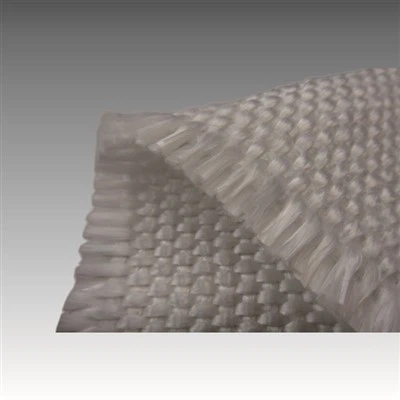
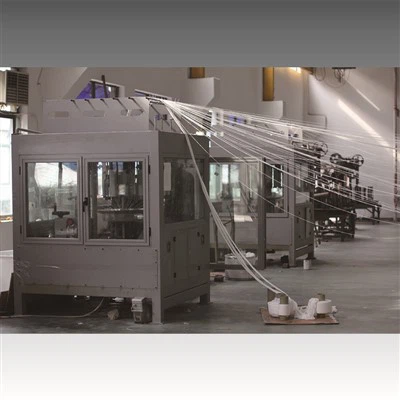
Characteristics of gaskets and sheets can be described in detail from the aspects of materials, performance, application scenarios, etc.
Characteristics of gaskets
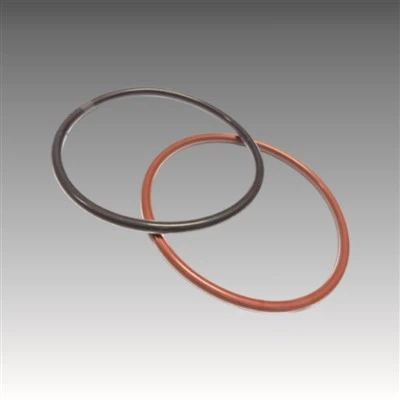
Gaskets are mainly used to prevent leakage between two objects due to pressure, corrosion or thermal expansion and contraction. Common gasket materials include rubber, asbestos-free materials, etc., each of which has its own unique characteristics:
Rubber gaskets: such as natural rubber and nitrile rubber, which have good elasticity and sealing properties and are suitable for media environments such as water, seawater, and air. Natural rubber has good low-temperature resistance, but is not resistant to mineral oil and non-polar solvents; nitrile rubber is suitable for petroleum products and has excellent high-temperature resistance1.
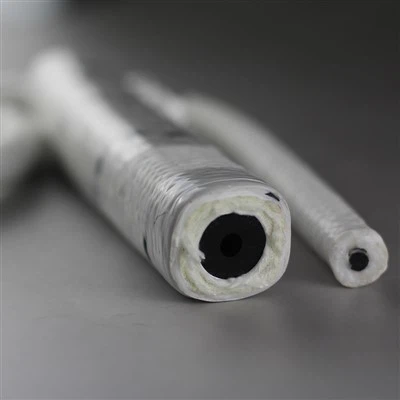
Asbestos-free gaskets: have high strength and good high-temperature resistance, as well as good chemical stability and oil and corrosion resistance. Asbestos-free gaskets are non-toxic and pollution-free, and can completely replace and surpass asbestos products.
Features of the board
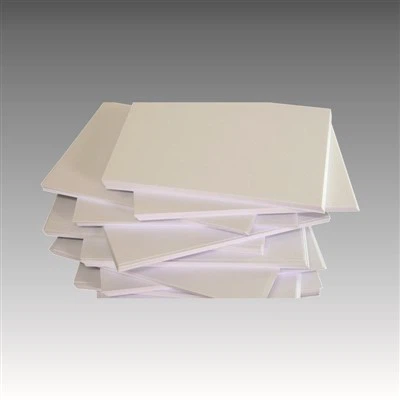
Boards are usually made of aluminum alloy, stainless steel, wood and other materials, and have the following characteristics:
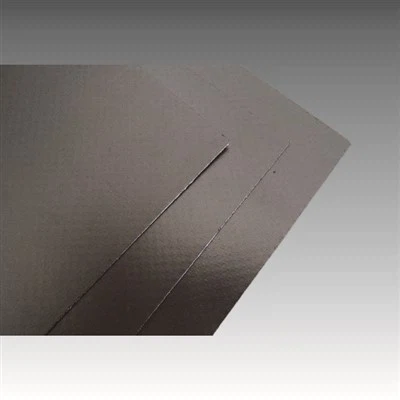
Aluminum alloy and stainless steel boards: have good anti-slip and corrosion resistance, suitable for various decoration and construction projects, such as walls, ceilings, floors, etc. They can effectively prevent the board from moving or sliding, and extend the service life.
Wood board: has good decorative and environmental protection, suitable for occasions that require good visual effects. The installation of wood boards is simple and convenient, which can reduce installation time and cost.