Common types of food packaging include paper boxes, flexible packaging, plastic containers, metal cans, glass bottles, etc.
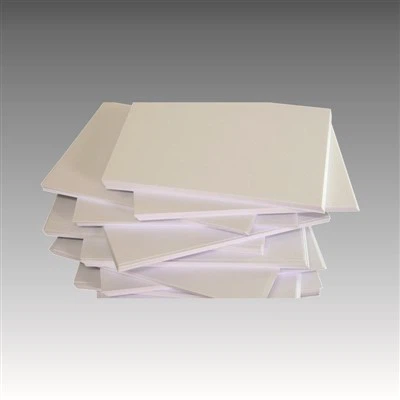
Paper boxes: Usually made of cardboard or cardboard, can be customized with printed patterns, suitable for a variety of products such as food, cosmetics, and medicines, especially products that require exquisite packaging and brand image.
Flexible packaging: Made of soft materials such as plastic film and paper composite materials, it is light and easy to carry, suitable for food, beverages, snacks, etc., especially suitable for products that require convenience and freshness preservation.
Plastic containers: Made of materials such as polyethylene (PE), polypropylene (PP), polyvinyl chloride (PVC), etc., with firmness and transparency, suitable for food, beverages, cosmetics, etc., widely used in the retail market and industrial use.
Metal cans: Usually made of aluminum or steel, with good freshness preservation and moisture-proof properties, suitable for products such as coffee, tea, nuts, chocolate, etc., common in the high-end food and beverage market.
Glass bottles: With high transparency and chemical stability, suitable for juice, salad dressing, medicine, etc., common in the high-end food, alcohol and cosmetics market.
The choice of these packaging materials depends on the nature of the food, the preservation requirements and the market positioning. For example, oily foods are often packaged in glass and plastic bottles, while fruits and vegetables may use modified atmosphere packaging to extend their shelf life. In addition, with the improvement of environmental awareness, biodegradable materials and low-temperature packaging materials are also receiving more and more attention.