The working principle of thermal insulation mainly includes the following aspects:
Blocking of heat conduction: Insulating materials such as polystyrene foam, rock wool, glass wool, etc. have low thermal conductivity and can effectively prevent heat conduction. In addition, the use of insulating windows such as double-glazed glass and hollow glass can also reduce heat conduction and improve the thermal insulation performance of the building.
Suppression of heat convection: By filling insulation materials in walls, roofs, floors and other parts, the convection heat transfer of air is reduced. The use of measures such as insulating windows and door and window sealing strips can also effectively suppress heat convection and improve the thermal insulation effect of the building.
Reflection of thermal radiation: The use of materials with high reflectivity such as aluminum foil and metal coatings can effectively reflect solar radiation and indoor thermal radiation, reduce the heat absorption of the building, and improve the thermal insulation effect. Measures such as awnings and thermal insulation coatings can also reduce the thermal radiation of the building.
Regulation of heat capacity: The use of materials with large heat capacity such as concrete, bricks and tiles can regulate the temperature changes inside the building. The use of geothermal energy and solar energy can also effectively regulate the heat capacity of buildings and improve the insulation effect.
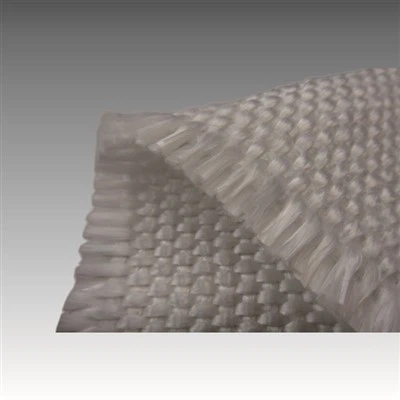
There are many types of insulation materials, including traditional insulation materials such as glass fiber, asbestos, rock wool, silicate, etc., as well as new insulation materials such as aerogel felt and vacuum panels. These materials can be divided into three categories according to the insulation principle: porous materials, heat reflective materials and vacuum materials. Porous materials effectively block heat transfer through their loose porous structure and low thermal conductivity gas; heat reflective materials reflect heat through high reflectivity surfaces; vacuum materials use the vacuum state to reduce heat transfer.